


In this article, we will discuss:
- Understand urinary leakage
- Compare bladder leak protection
- Choose comfortable absorbent underwear
- Manage postpartum bladder leaks
- Know when to seek help
A sneeze, laugh, cough or quick movement can sometimes cause a few drops of urine to escape. For new mothers, this can feel unexpected, but postpartum bladder leakage is common.
What is bladder leak underwear?
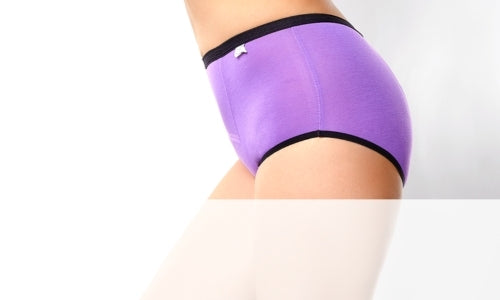
Bladder leak underwear is reusable or disposable underwear designed with absorbent layers to manage urine leakage. Unlike ordinary underwear, it may include an absorbent core and a leak-resistant layer that helps keep moisture from reaching outer clothing.
Expert answer
Bladder leak underwear is a management tool. It can provide discreet protection for light leaks, but it does not treat urinary incontinence or strengthen the pelvic floor. The National Institute of Diabetes and Digestive and Kidney Diseases (NIDDK) lists washable absorbent underwear, waterproof underwear and pads among products that can help manage urine leaks.
Why do women experience bladder leaks?
Pregnancy and childbirth can affect the pelvic floor muscles that help control urination. After birth, some women leak urine when coughing, laughing, sneezing or moving suddenly. The NHS notes that this is common after having a baby and that pelvic floor exercises can help.
Other triggers can include menopause, ageing, high-impact activity and some medical conditions. Urinary incontinence can also involve stress leakage or sudden urgency, so the cause matters.
According to women’s-health physiotherapist Dr Kritika Bolia, pregnancy and childbirth can place significant pressure on the pelvic floor, making postpartum bladder-control concerns relatively common.
What parents should know
Postpartum leakage should not simply be dismissed as something you must live with. If it continues, worsens or interferes with daily life, discuss it with a doctor or women’s-health physiotherapist.
What are the benefits?
For light leakage, purpose-designed underwear can make everyday management simpler.
- Absorbency: Built-in layers help contain small urine leaks.
- Discretion: It looks and fits more like regular underwear.
- Secure fit: A well-fitting design is less likely to shift.
- Comfort: Soft, breathable materials may feel better during wear.
- Reusable use: Washable styles can be used repeatedly.
The right option depends on the amount and frequency of leakage.
Which bladder leak solution should you choose?
|
Option |
Best suited to |
Key consideration |
|---|---|---|
|
Pad or liner |
Occasional light leaks |
Needs regular changing |
|
Disposable underwear |
Heavier or unpredictable leakage |
Convenient but single-use |
|
Reusable leak underwear |
Light to moderate recurring leaks |
Requires washing |
NIDDK recognises washable absorbent underwear and pads as options for managing urine leaks.
What should you look for when buying bladder leak underwear?
Start with your actual needs rather than the product label.
- Absorbency: Check whether it suits your leakage level.
- Fit: It should stay secure without digging into the skin.
- Material: Soft, breathable fabrics may help with comfort.
- Leak-resistant construction: Check how the absorbent area and barrier are designed.
- Wash care: Follow the manufacturer's instructions.
- Day or night use: Confirm whether it suits your intended wear duration.
What to look for
A useful choice combines appropriate absorbency with a comfortable fit and manageable care routine. More absorbency is not automatically better if the garment is uncomfortable or unsuitable for your needs.
Are reusable bladder leak underwear worth considering?
For recurring light leaks, washable underwear can be a practical alternative to repeatedly buying disposable pads.
For postpartum recovery, remember that protective underwear manages the symptom; it does not address pelvic-floor weakness or another underlying cause.
What is the practical solution?
Problem: Light urine leaks can make movement, outings and postpartum recovery inconvenient.
Solution: Choose protection matched to your leakage level while addressing the underlying cause with professional guidance when needed.
Why it helps: The right absorbent underwear can reduce worry about small leaks without requiring bulky protection.
💡 SuperBottoms Pick: MaxAbsorb Bladder Leak UnderwearSuperBottoms MaxAbsorb Bladder Leak Underwear is designed for light bladder or urinary leaks. Its current product page describes it as washable, reusable, leakproof and antibacterial, with four layers. Explore MaxAbsorb Bladder Leak Underwear |
Parent checklist
☐ Identify when leaks happen
☐ Choose suitable absorbency
☐ Check size and fit
☐ Prioritise breathable comfort
☐ Keep spare pairs available
☐ Follow wash-care instructions
☐ Seek help if leakage persists
When should you see a doctor?
Speak with a healthcare professional if leakage is persistent, worsening, painful, associated with unusual urinary symptoms, or affecting everyday activities. Postpartum women can also ask about pelvic-floor assessment and exercises, particularly if leakage does not improve.
Key takeaways
- Match absorbency to your leakage.
- Prioritise fit, comfort and breathability.
- Treat persistent leakage as a health concern.
FAQs
Can I use bladder leak underwear after childbirth?
Yes. It can help manage light postpartum urine leakage while your body recovers, but persistent leakage should be discussed with a healthcare professional.
Is bladder leak underwear the same as a pad?
No. Absorbent underwear has protective layers built into the garment, while a pad is a separate product worn inside underwear.
Can bladder leak underwear stop urinary incontinence?
No. It manages leakage but does not treat its underlying cause. Pelvic-floor exercises or other treatment may be recommended depending on the cause.
How do I wash reusable bladder leak underwear?
Follow the product's care instructions. Proper washing and thorough drying are important for hygiene and maintaining performance.


